Madison County Weather and Storage Units: How to Protect Your Belongings Year-Round
February 1, 2026
If you have lived in Madison County for a while, you already know the weather can change quickly. Hot, humid summers. Freezing winter snaps. Big thunderstorms roll through, leaving branches, puddles, and power outages in their wake.
All of that matters when you are storing belongings for a move, a remodel, or to clear space at home. If you want a local option that makes storage easier, using Pontoon Plaza Storage is a simple way to keep your items protected while the weather does what it does.
Key Takeaways
Weather impacts storage most through moisture, temperature swings, and storm season. If you pack clean and dry, use the right containers, and choose the right unit features, your belongings can sit for months and come out in good shape.
The biggest wins are preventing humidity problems, avoiding heat damage, and staying ready for severe weather.
Why Madison County Weather Matters for Storage
Storage is not just about “putting things away.” It is about keeping them in the same condition you packed them. Madison County sits in a region that experiences all four seasons, along with a healthy dose of severe weather. That combination can affect your belongings in a few predictable ways.
Moisture is the quiet problem. Humidity and rain do not always feel dramatic in the moment, but they can cause mildew smells, warp cardboard, and hold odors in fabrics. Then you have temperature swings, which can stress certain materials over time.
Wood expands and contracts. Some plastics get brittle in cold or soften in heat. Electronics and paper items can suffer when conditions bounce around.
And then there is storm season. Wind, heavy rain, hail, and tornado watches are part of life here.
Even if your unit never sees a drop of water, storms can affect access, driving conditions, and how quickly you can get to your items when you need them. If you are new to the area, it is worth learning local alert habits.
Madison County Emergency Management shares seasonal readiness guidance here: Madison County EMA Seasonal Awareness.
Humidity and Moisture: The Biggest Everyday Threat
Humidity is the number one reason stored items come out smelling off. Fabrics, cardboard, and paper products absorb moisture from the air. Over time, that can lead to musty odors, mildew spots, and warped boxes.
The fix is mostly simple. Do not store anything damp. Let items fully dry before you seal them into bins. If something was outside, give it extra time. If you just cleaned carpets, patio cushions, camping gear, or sports equipment, assume it is holding more moisture than you think.
Container choice matters too. Cardboard is fine for short-term, but it is not your best friend in a humid environment. Clear, latched plastic bins usually hold up better and let you see what you packed.
If you do use cardboard, choose sturdy boxes and keep them elevated and away from any spots where moisture could collect.
One more tip that people skip: avoid packing items too tight. If you cram damp air into a sealed box, the trapped humidity has nowhere to go. Pack neatly, but do not compress everything into a solid brick.
Heat: What Summer Does to Stored Items
Summers in this region can get hot and sticky, and heat affects some belongings more than others. Candles can soften, warp, or leak. Certain plastics can deform. Adhesives can loosen on labels and photo albums.
Electronics can be stressed by prolonged exposure to heat, especially if they were stored with old batteries.
If you are storing anything you would not leave in a hot car, treat it as a heat-sensitive item. That includes photos, books, important documents, electronics, instruments, some furniture finishes, and anything with glue or wax.
Packing for heat is mostly about prevention. Remove batteries. Wrap items carefully to protect them from scratches, but do not seal them with anything that traps moisture.
Use label tape that sticks well, and consider placing one label inside the bin too, so if the outside label falls off, you still know what it is.
Cold and Freeze-Thaw Cycles: Winter Problems People Forget
Cold weather can be hard on brittle materials. Some plastics crack more easily in the cold. Rubber can stiffen. Wood furniture can shift slightly as temperatures swing, especially if it was already dry.
Winter is also when small mistakes can cause bigger issues. If you store a box of linens that was not fully dry, cold temperatures can slow evaporation. That dampness does not go away. It just waits. When spring warms up, odors and mildew can appear.
A smart winter habit is to pack as if you are trying to prevent surprises in April. Everything should be clean, fully dry, and sealed to keep it stable. If you are storing furniture, use breathable covers rather than plastic wrap that can trap moisture.
Storm Season: Wind, Heavy Rain, and Tornado Watches
Madison County sees strong thunderstorms, and severe weather planning is just practical. The storage decision here is less about a specific item and more about your overall approach.
First, avoid storing your one-and-only essentials without a plan. If a birth certificate, passport, or irreplaceable photos are being stored, keep digital backups and store the originals in a well-protected location.
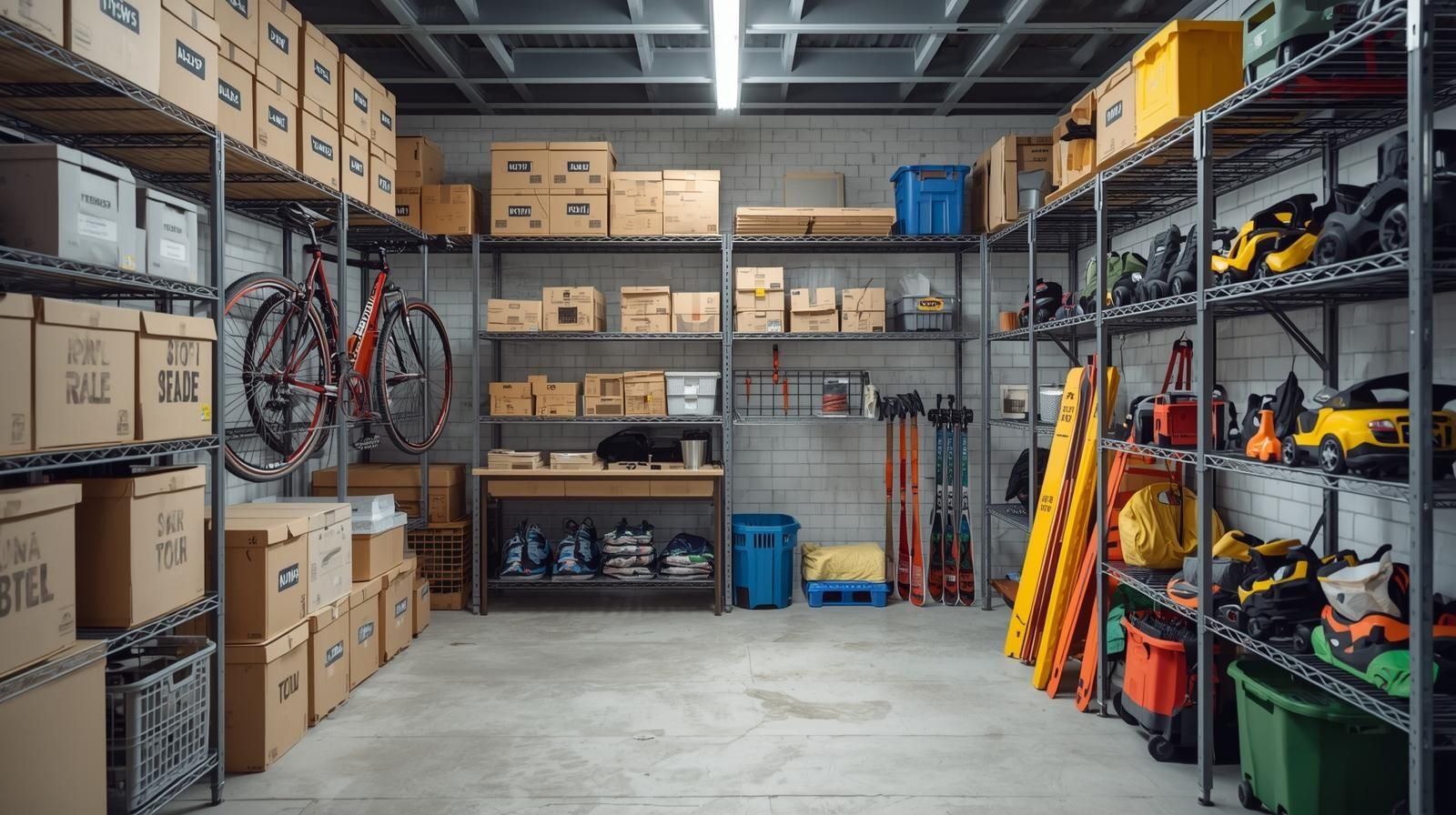
Second, pack your unit so it is resilient. Put heavier items on the bottom. Keep a small walkway. Do not stack boxes so high that one shift knocks everything over. A storm does not have to flood a unit to cause problems. Sometimes, a rushed access day or a bump while moving things in is all it takes to topple a tower of boxes.
Third, stay aware of weather patterns and warnings, especially if you are moving. The National Weather Service office that covers this area posts write-ups of significant storms and local impacts.
It is a helpful way to understand what severe looks like in your region: NWS St. Louis Significant Weather Event Reviews.
The Best Packing Strategy for Madison County Weather
If you want the short version, it is clean, dry, protected, and easy to access.
Clean means washing fabrics, wiping down tools and outdoor gear, and removing anything that could attract pests or cause odors.
Dry means giving items time to fully air out before sealing them. This matters most for anything that lives in basements, garages, or outside.
Protected means using sturdy bins, wrapping fragile items, and avoiding containers that will weaken over time. It also means removing batteries and keeping sensitive items in stable conditions.
Easy to access means not burying what you will need soon. If you are moving, label the first week items clearly. If you are doing seasonal storage, keep the next season’s bins near the front and at eye level.
Choosing Storage Features That Matter in This Area
Not every feature matters equally, especially when you are storing to handle weather changes.
If you are storing heat-sensitive or humidity-sensitive items, climate control can be worth it. It helps keep temperatures and humidity steadier over time, which is exactly what protects paper, electronics, photos, and many fabrics.
If you expect to visit your unit during storm season or winter, access and lighting matter too. A convenient, well-lit facility makes quick drop-offs and swaps easier without turning it into a whole ordeal.
Security is always part of the equation, but it is also practical. When storms hit, people tend to move quickly. A well-managed facility with controlled access and solid lighting can help you feel comfortable coming and going, even when the weather is not perfect.
A Simple Check-In Routine That Prevents Problems
You do not need to overthink this. Once a quarter is enough for most people. Walk in, make sure everything still looks dry, check that labels are readable, and confirm that nothing shifted or leaned.
If you notice a musty smell, that is your cue to open the bins, let the items breathe, and repack them with better drying and protection.
If you are storing long-term, consider the one in, one out rule to prevent your unit from slowly becoming a second attic. When you add a new tote, donate or discard something old.
Store Smarter Than the Weather
Madison County weather is not something you can control, but the way you pack and store absolutely is. Clean and dry your items, use containers that protect against humidity, and plan for summer heat and winter swings.
If you want an easy local setup for moves, seasonal swaps, or just getting your home back,
storage units in Granite City can help you store with confidence, no matter the forecast.