Smart Storage Tips for Seasonal Gear, Sports Equipment, and Outdoor Tools
December 6, 2025
If you have kids in sports, love weekend camping trips, or keep a lawn full of outdoor tools, you already know how fast that gear can take over closets, garages, and sheds.
Storing seasonal items properly keeps everything clean, safe, and ready to use. It also protects gear from mold, rust, UV damage, and insects.
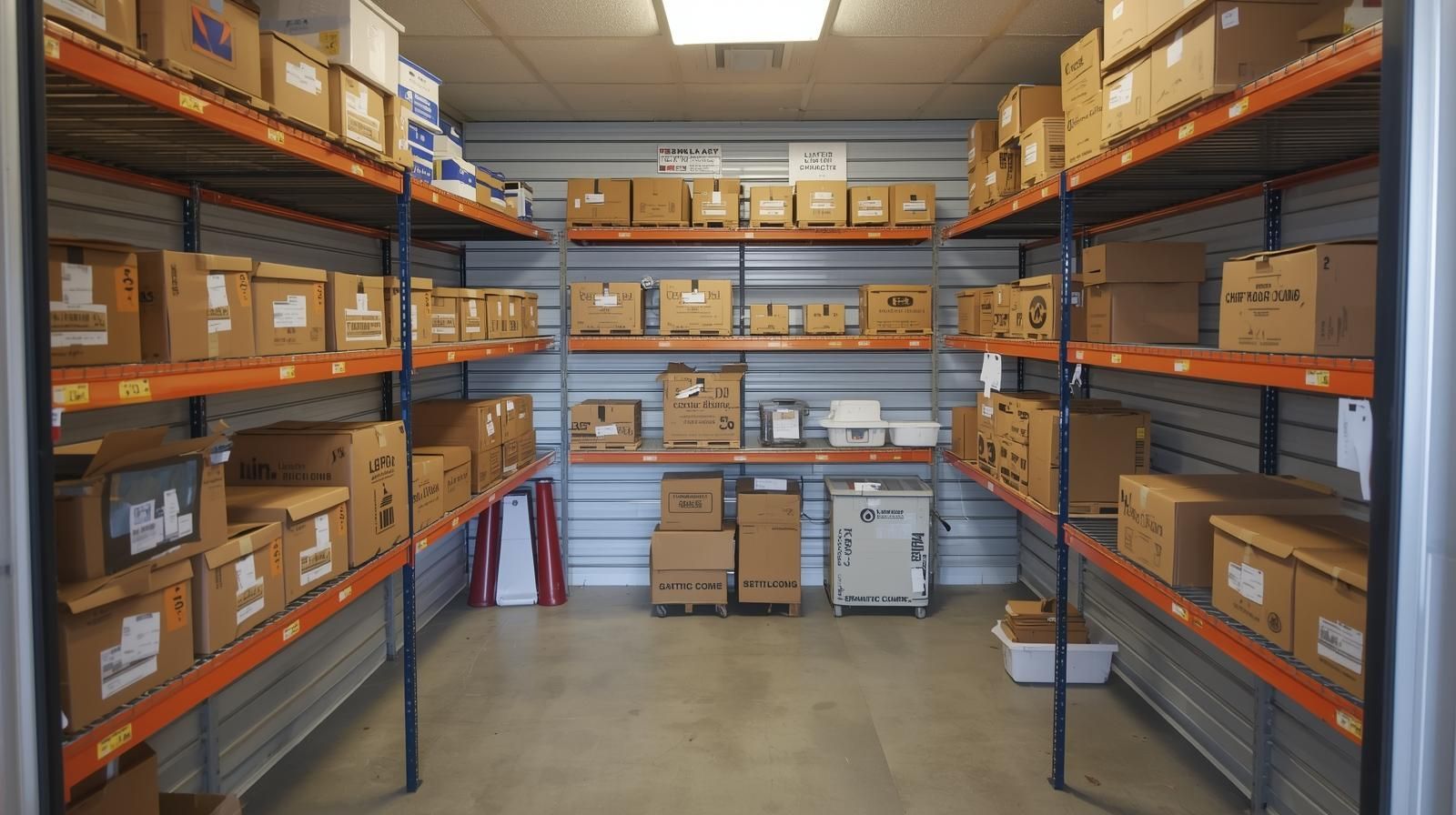
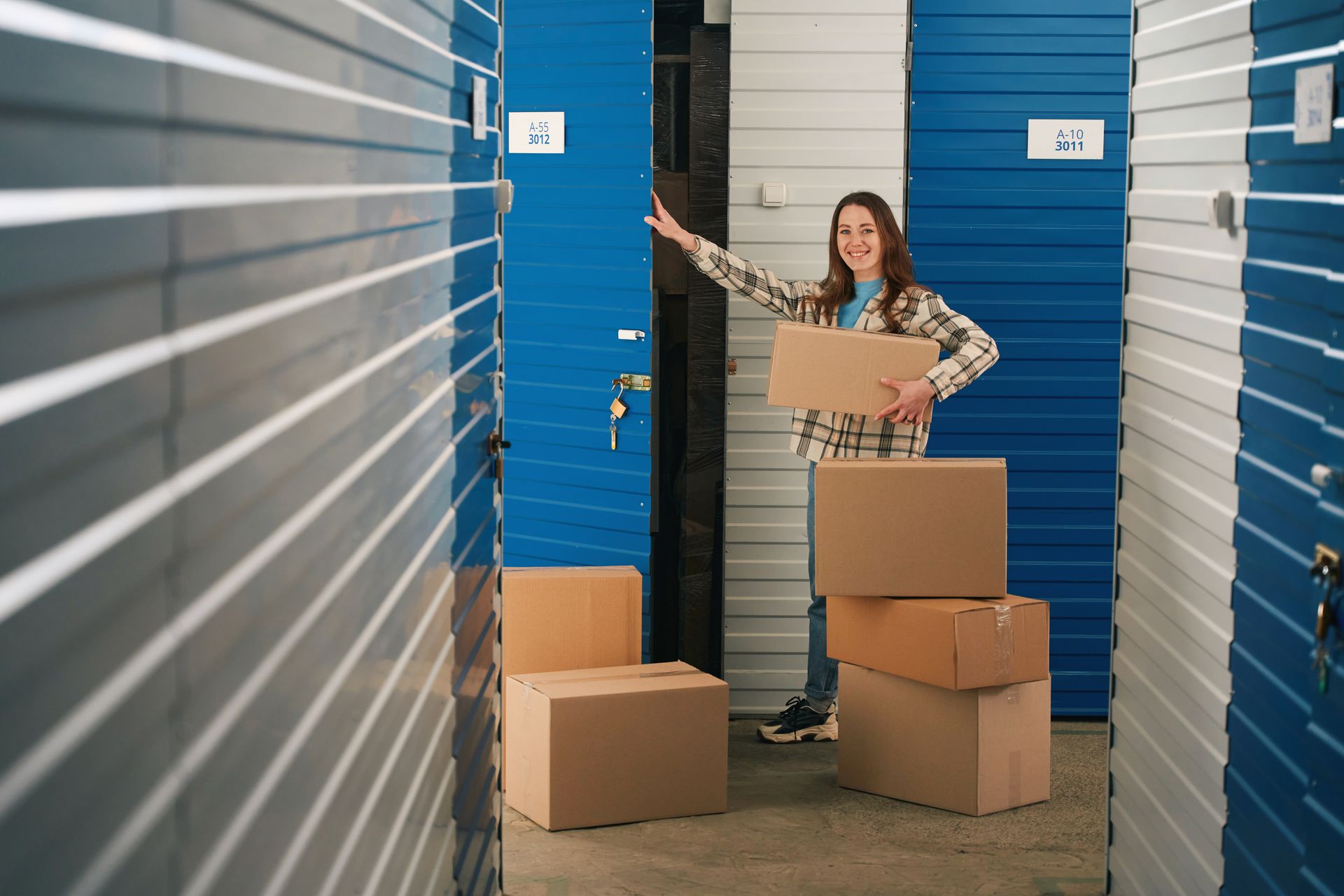
If you’re short on space at home or have recently moved to the area, using a local storage unit can make the process a lot easier. Renting storage units in Granite City offers an easy way to store bulky or seasonal items when you’re not using them.
Why Proper Storage Matters for Outdoor Gear & Sports Equipment
Outdoor equipment gets exposed to dirt, water, sweat, salt, sunlight, and extreme temperature changes. That combination can break down plastics, fabrics, leather, metal, and rubber surprisingly fast.
When gear isn’t stored correctly, moisture can turn into mold, metal can rust, padding can begin to smell, and fabrics can deteriorate. Proper storage habits make a noticeable difference. You avoid replacing expensive gear like skis, bikes, and power tools.
Kids’ equipment stays clean and safe. Outdoor activities become easier because everything is organized and ready. If you enjoy hiking, boating, camping, or gardening, keeping everything in good shape also saves you money over time.
Even organizations dedicated to outdoor conservation, like REI, recommend proper care to reduce waste and protect your gear. Their expert advice is helpful for anyone who uses outdoor equipment regularly.
Declutter and Inspect Before Storing Everything
Before gear goes into storage, take a few minutes to sort and evaluate it. Group items by activity or season, then make three piles: keep, donate, repair. If something is too small, worn out, moldy, or damaged beyond safe use, don’t store it.
Items you should never store if damaged: cracked helmets, rusted blades or sharp tools past repair, shoes or sports pads with mold, and inflatable items with leaks that won’t seal.
Being picky now prevents clutter from piling up and keeps you from digging through junk next season.
Clean and Maintain Your Gear First
Storing dirty gear traps sweat, grime, and bacteria, leading to odors and stains. Before storing, wash sports pads, gloves, and fabric items. Remove dirt and salt from metal items. Air dry helmets, shoes, and wetsuits completely.
Fix Minor Damage Now to Avoid Higher Costs Later
Things like loose laces, dull skate blades, or ripped straps can worsen in storage. Quick fixes now will prevent costly replacements when you pull the gear back out.
Even a basic cleaning and sharpening can extend the life of items like skis, garden tools, fishing gear, and bike parts.
Choose the Right Storage Space (Indoor, Garage, or Storage Unit?)
Illinois weather shifts rapidly throughout the year, going from humid summers to freezing winters. Moisture and temperature changes are major factors in gear damage. That’s why it’s essential to match the right gear with the right storage environment.
Garage or Shed Storage: Good for durable items that can withstand heat and cold, such as bikes, coolers, tents, lawn tools, and plastic bins.
Indoor Storage or Climate Control: Best for moisture-sensitive gear such as hockey equipment, leather sporting goods, wood paddles, camping electronics, and anything with fabric padding.
Storing delicate items in a climate-controlled unit helps maintain stable moisture and temperature. The U.S. Environmental Protection Agency offers guidance on preventing moisture in stored items and home spaces.
Best Storage Containers, Racks & Organizers for Seasonal Gear
Use Clear Totes and Labeling Systems
Clear plastic bins make it easy to see what’s inside without digging. Always store clean, dry equipment and label each bin by season or activity.
Wall & Ceiling Racks for Bikes, Kayaks, and Skis
Wall racks and ceiling pulley systems free up floor space. Heavier items, such as kayaks, should always be supported by multiple straps to prevent warping over time.
Buckets, Bins & Baskets for Balls & Small Gear
Plastic laundry baskets or mesh bins are great for loose items like balls, gloves, and bike accessories. Buckets work well for baseball bats, hockey sticks, and rackets because they stand upright.
PVC & DIY Solutions for Long Equipment
PVC pipe sections can hold fishing rods, rakes, garden tools, and bats at a low cost. Cut vertical lengths and secure them with brackets to create simple storage tubes.
Organize Gear by Activity & Season
Group Items by Sport or Activity
Keep soccer, hockey, boating, and camping gear separate so you never grab the wrong equipment.
Rotate Gear for Easy Access
Place the season you’re currently using at eye level. Off-season items should be higher up or toward the back.
Color Coding for Kids’ Gear
Color-coded bags, labels, and bins help families stay organized. You’ll never have to guess which kid’s cleats or hockey pads are which.
Storage Tips for Specific Types of Gear
Camping & Hiking Gear
Air out tents, boots, and sleeping pads. Store sleeping bags loosely in a breathable sack, not compressed in their travel bag.
Water/Boating Equipment
Dry everything entirely to prevent mildew. Use UV-resistant covers for kayaks and paddleboards.
Winter Sports (Skis, Snowboards, Hockey)
Sharpen and wax surfaces before storing. Pads and gloves must be washed and thoroughly dried to prevent bacterial growth.
Lawn, Garden & Outdoor Power Tools
Drain fuel from gas-powered tools and remove batteries from electric items. Lubricate blades and moving parts to prevent rust.
Moisture, Mold & Pest Prevention
Use moisture absorbers, such as silica gel packs, in bins. Choose sealed plastic containers instead of cardboard. Keep gear off the ground when storing in sheds or garages. Avoid fabric bags unless items are completely dry. Choose pest-proof bins for camping food supplies or fishing gear.
Moisture creates bacteria and mold, and cardboard attracts insects. A few preventive steps protect your investment for years.
When to Use a Self-Storage Unit for Seasonal Gear
You might not need storage every day, but if your closets or garage are full, a storage unit makes a big difference. Choose self-storage if you have limited garage space, small closets, or no shed. It’s especially useful if you own bulky items like kayaks, tents, or large sports gear.
Drive-up or climate-controlled storage units work best for easy access and long-term protection.
Best Practices to Keep Gear Accessible All Season
Create a quick-grab zone for weekly sports. Keep hooks near the door for outdoor tools. Place a bin near the entry for muddy shoes or wet items.
Revisit your storage system every few months and reorganize only what’s needed. These small habits prevent clutter from building back up.
Summary Checklist: Storing Gear the Right Way All Year
- Clean and dry everything
- Repair before storing
- Sort by sport and season
- Use the correct bins and racks
- Keep gear off the floor
- Label everything clearly
- Choose climate control when needed
- Rotate items seasonally for easy access
Looking for Secure Seasonal Storage Near You?
If you’re running out of space at home, storing seasonal gear in a local storage facility keeps your home organized and your equipment protected year-round.
Whether you need drive-up access for bulky gear or climate control for sensitive items, you can safely store everything at
Pontoon Plaza Storage and book a unit online.