How Small Businesses Use Storage in the St. Louis Metro East
January 4, 2026
Running a small business in the St. Louis Metro East often means making the most of limited space. Many local business owners start small, sometimes from a garage, spare room, or modest office.
As the business grows, storage becomes an issue long before revenue catches up. That is why many owners look to Pontoon Plaza Storage as a practical way to stay organized without taking on expensive commercial space too early.
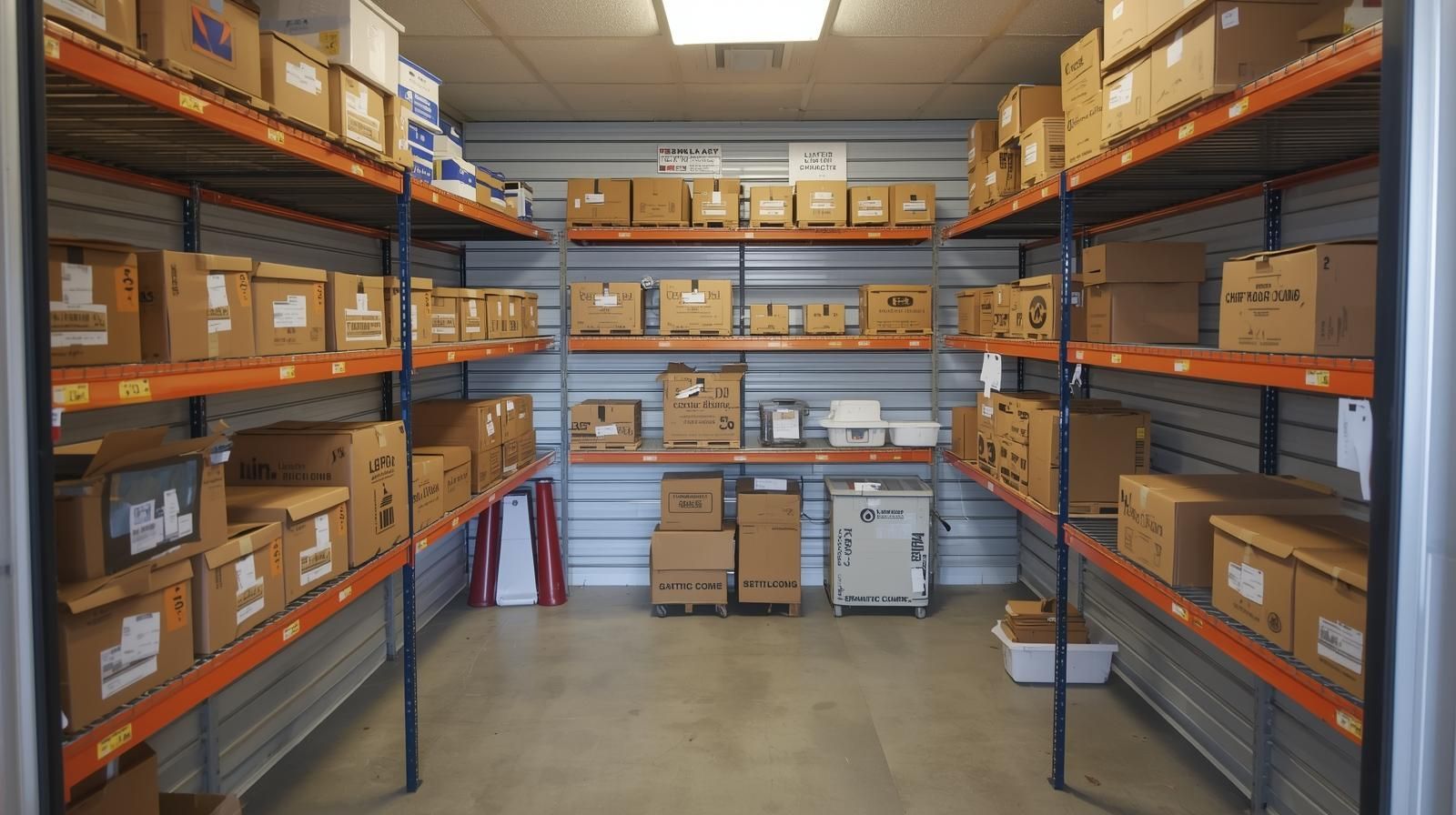
From contractors managing tools to online sellers juggling inventory, small business storage in the St. Louis Metro East gives companies breathing room while keeping costs predictable.
Why Small Businesses in the Metro East Turn to Storage
Space problems tend to show up quietly at first. A few extra boxes turn into pallets. Tools pile up. Paperwork ends up stacked in corners. Before long, the workspace becomes harder to use, slower to work in, and more stressful than it needs to be.
Leasing warehouse or office space is not always the right answer, especially for businesses that do not need it full time. Storage units offer a flexible alternative. They allow business owners to create space when they need it, without long contracts or major commitments.
The Metro East works well for this approach. Businesses get easy access to St. Louis while benefiting from lower operating costs. Storage fits neatly into that balance.
Understanding Small Business Storage Needs in the St. Louis Metro East
Business storage has different demands than residential storage. Owners usually need consistent access, predictable layouts, and confidence that their property is secure. Storage often becomes part of daily operations rather than a place where items are forgotten.
Many businesses in the Metro East fall into familiar categories. Contractors and tradespeople need room for tools and materials. E-commerce sellers need inventory space that can expand seasonally.
Offices and service businesses often need storage for records, furniture, or equipment that does not fit in their workspaces.
Storage units allow these businesses to separate work from home and keep operations organized as they grow.
Key Benefits of Small Business Storage Units
One of the biggest reasons businesses choose storage is cost control. Storage units are far less expensive than leasing commercial space and come without long-term obligations. Companies can scale space up or down as needed.
Flexibility is just as important. A business might need extra room during busy seasons, promotions, or project-based work. Storage makes it easier to respond to demand without scrambling for space.
Security also matters. Business owners rely on storage facilities to protect inventory, tools, and records. Features like gated access, lighting, and monitored grounds provide reassurance that valuable items are protected.
Types of Businesses That Commonly Use Storage in the Metro East
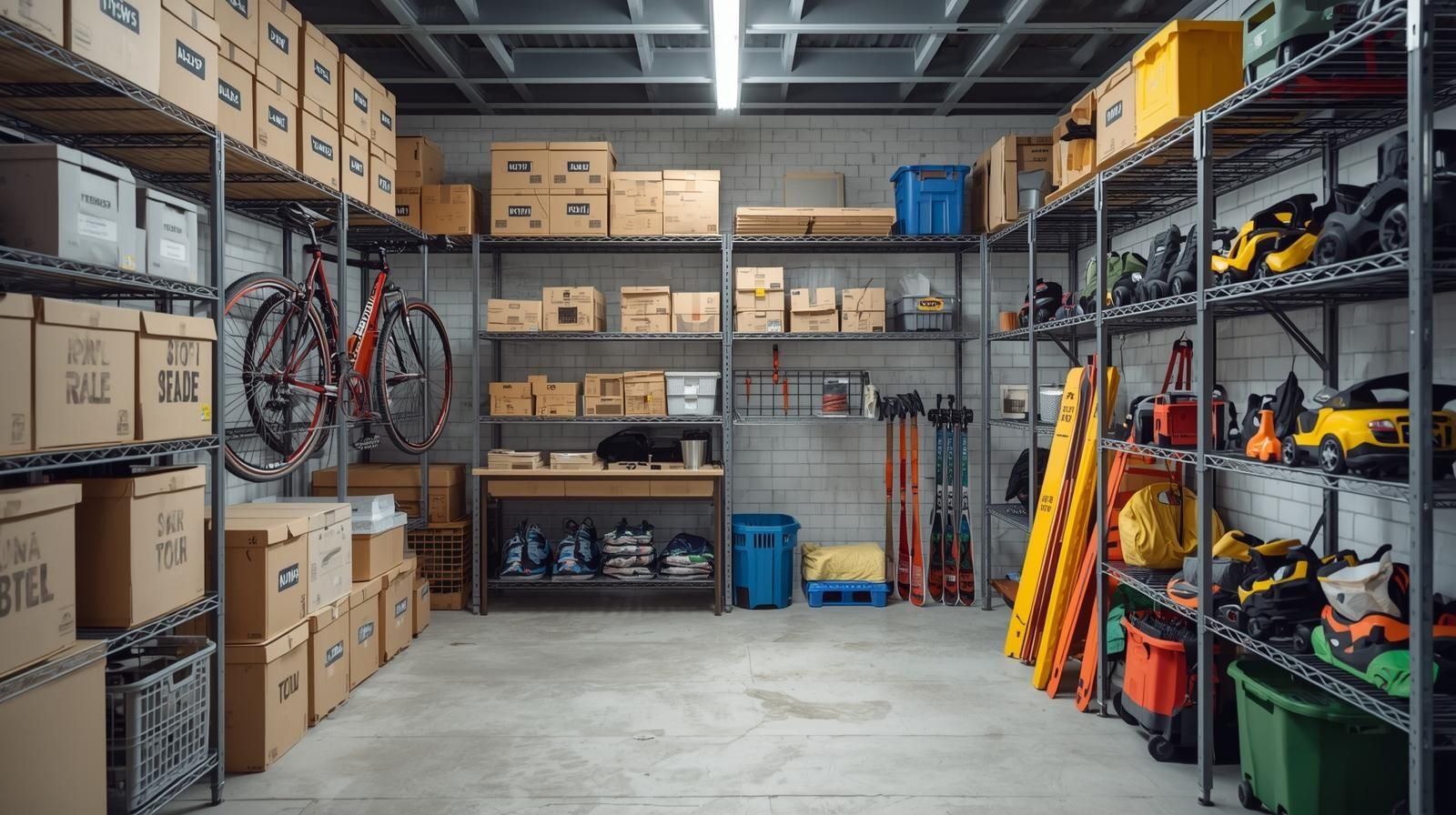
Contractors and trades often use storage units as an extension of their workday. Instead of hauling tools home each night, they can keep equipment nearby and ready for the next job.
Retail and e-commerce sellers rely on storage to manage inventory without overwhelming their homes or offices. Storage units allow sellers to organize stock, prepare orders, and handle seasonal surges.
Service-based and home-based businesses use storage to keep supplies and equipment out of living areas while staying close at hand.
Professional offices may use storage for document retention, excess furniture, or materials during moves or renovations.
How Location Impacts Business Storage Efficiency
Where a storage unit is located can make a real difference. Facilities near major roads throughout the Metro East help business owners avoid unnecessary travel. This is especially important for contractors and mobile businesses that move between job sites daily.
A central location allows businesses to serve multiple communities efficiently. When storage is easy to reach, it becomes a reliable part of the workflow instead of an inconvenience.
Common Business Storage Use Cases
-Inventory overflow is one of the most common reasons businesses rent storage. Seasonal products, bulk orders, and promotional materials often exceed available space.
-Tool and equipment storage helps contractors and service providers stay organized and protect valuable assets.
-Document and record storage is another common need, especially for businesses that must retain paperwork for compliance or tax purposes.
-Storage also plays a vital role during moves or renovations, giving businesses a place to keep items safe while transitions are underway.
-For general guidance on managing business growth and space planning, the Small Business Administration offers helpful insights.
Storage Features Small Businesses Actually Care About
Access is a major concern. Business owners often work outside traditional hours, so reliable entry matters. Unit layout and size flexibility are important as well. Businesses benefit from units that allow shelving, equipment placement, and easy movement.
Clean facilities and good lighting help protect inventory and maintain a professional standard. Some businesses also need added protection for items sensitive to temperature or moisture, depending on what they store.
Mistakes Small Businesses Make When Choosing Storage
One common mistake is choosing a unit that barely fits current needs. Growth happens quickly, and cramped storage can slow operations.
Another issue is paying for more space than necessary. While planning ahead is smart, overspending on storage can strain cash flow.
Some businesses underestimate how often they will access the unit. A poorly located unit can become a daily frustration.
Finally, treating business storage like personal storage can cause problems. Business storage works best when it is organized and planned intentionally.
Choosing the Right Storage Unit Size for Your Business
The right unit size depends on what is being stored. Tools, inventory, and documents all require different layouts. Businesses should think about whether storage is temporary or ongoing.
Long-term use benefits from extra space for organization and future growth. Planning ahead makes transitions easier and avoids the need to move units frequently. SpareFoot can help businesses estimate their needs more accurately.
Why Small Business Storage Makes Sense in the St. Louis Metro East
The Metro East offers a practical balance for growing businesses. Operating costs are lower than downtown St. Louis, but access to customers and suppliers remains strong.
Storage units support businesses that serve multiple nearby communities, making them especially useful for contractors, service providers, and mobile operations.
Used thoughtfully, storage helps businesses stay organized, adaptable, and ready for growth.
Supporting Local Business Growth With Smart Storage
Small business storage in the St. Louis Metro East is not just about extra square footage. It is about flexibility, efficiency, and keeping operations manageable as businesses grow. With the right storage approach, owners can focus on serving customers instead of worrying about space.
For businesses looking to stay organized and flexible,
self storage in Granite City offers a simple way to support growth without unnecessary overhead.